Project details
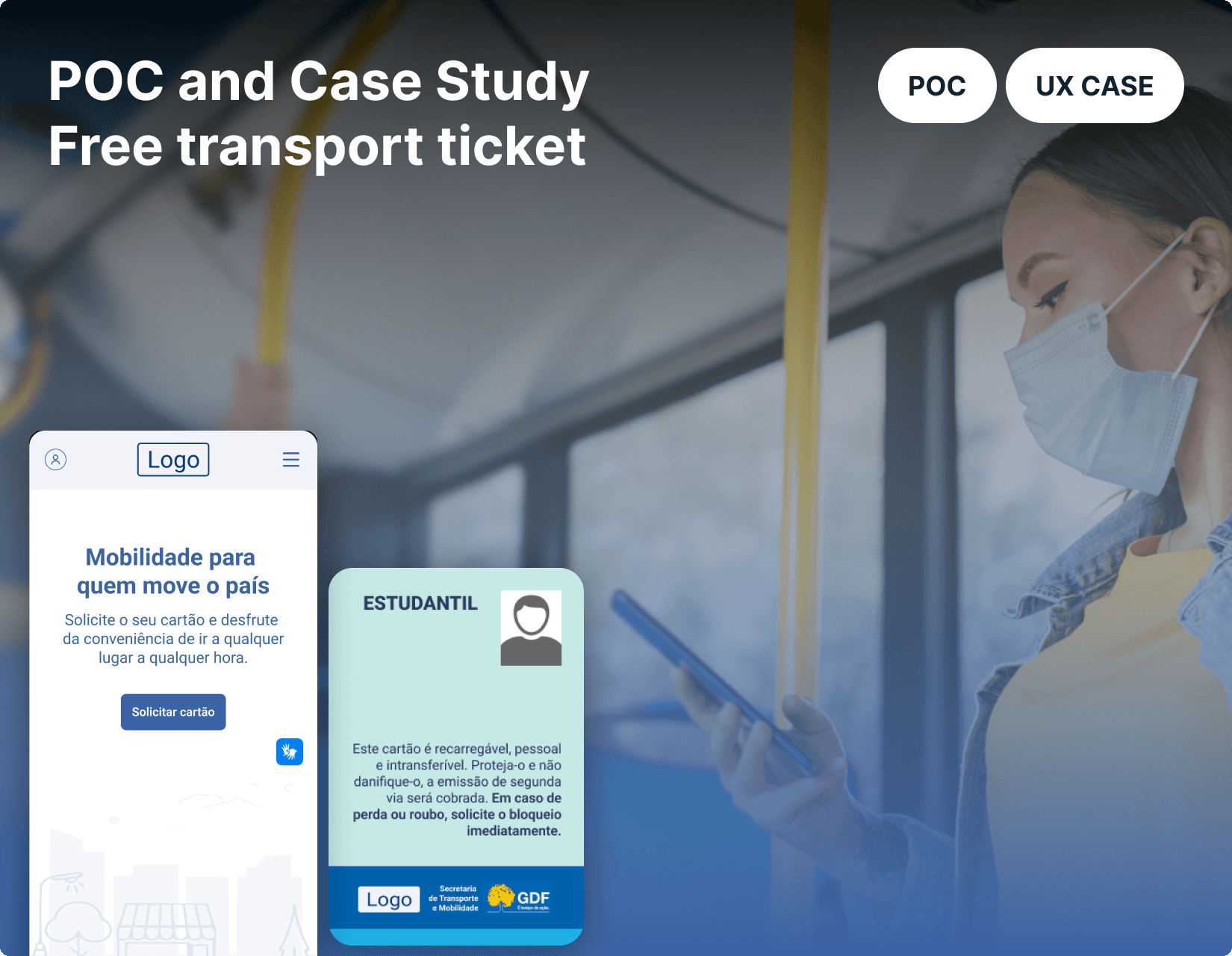
Passe Livre Registration Redesign: Inclusive Mobility Service Transformation
Project Context and Stakeholder Dynamics
This proof of concept was commissioned for Passe Livre, a critical social mobility service operated through a Brazilian bank-government partnership. The service provides free transportation passes to four vulnerable populations: students, people with disabilities, children, and seniors. Despite its social importance, the existing registration system created barriers that contradicted the service's inclusive mission.
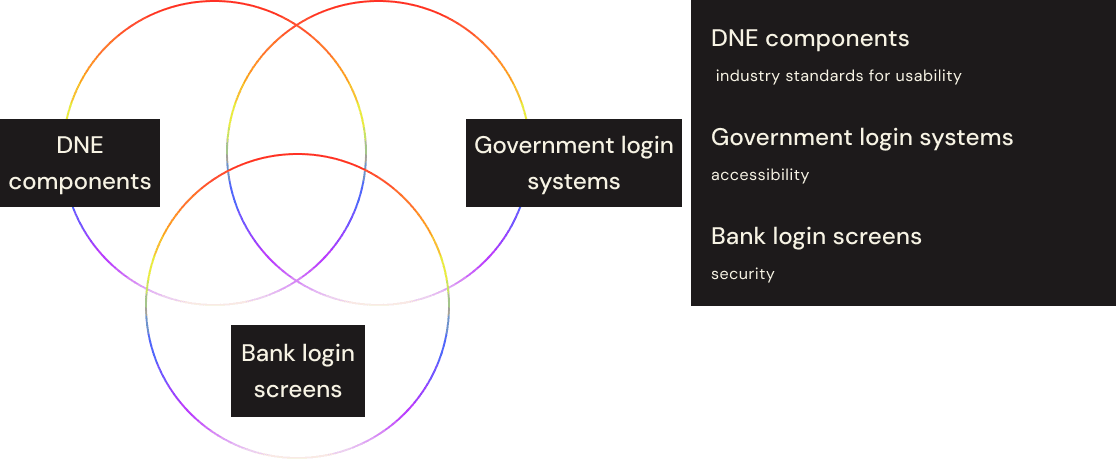
Strategic Constraints Limited access to internal systems and user data required working with incomplete information. Government validation requirements and banking compliance standards created rigid technical parameters. The POC nature meant no direct development team collaboration, requiring solutions that could be clearly communicated for future implementation.
Problem Analysis and Current State Mapping
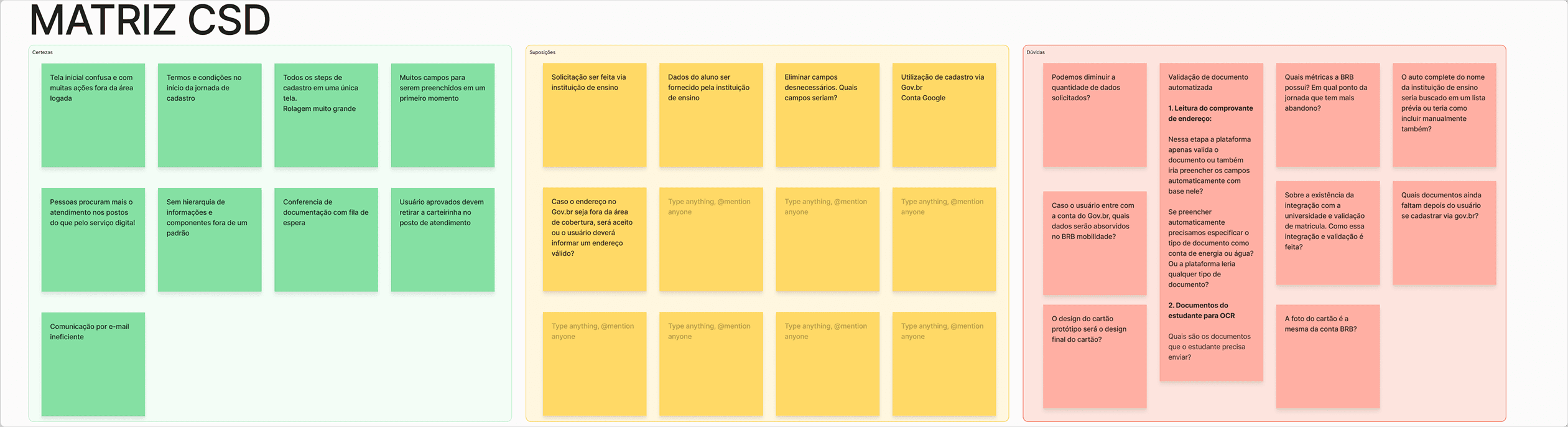
Critical Usability Failures Identified The registration process demanded excessive information upfront, creating abandonment at initial stages. Users faced an outdated interface that violated modern accessibility standards and design conventions. The system concentrated all registration steps on a single, overwhelming page with poor information hierarchy.
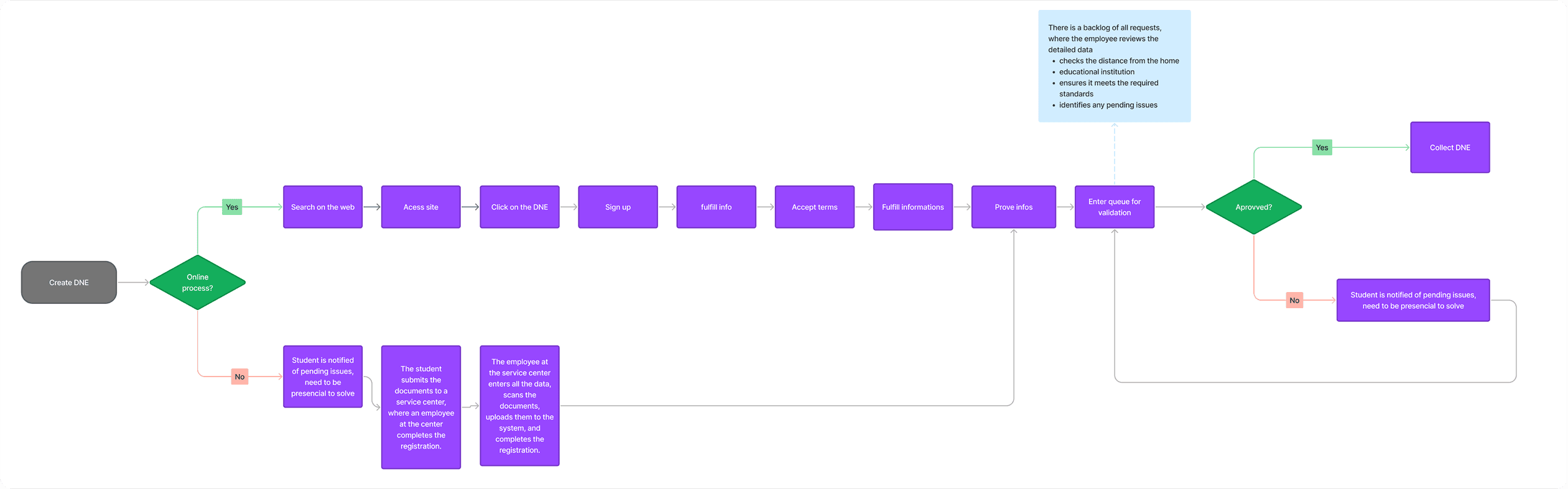
Systemic Process Issues Terms and conditions appeared at journey start, creating immediate cognitive load. Physical card collection requirements forced approved users to visit service points, creating additional friction for populations already facing mobility challenges. Many users abandoned digital registration entirely, preferring in-person assistance due to system complexity.
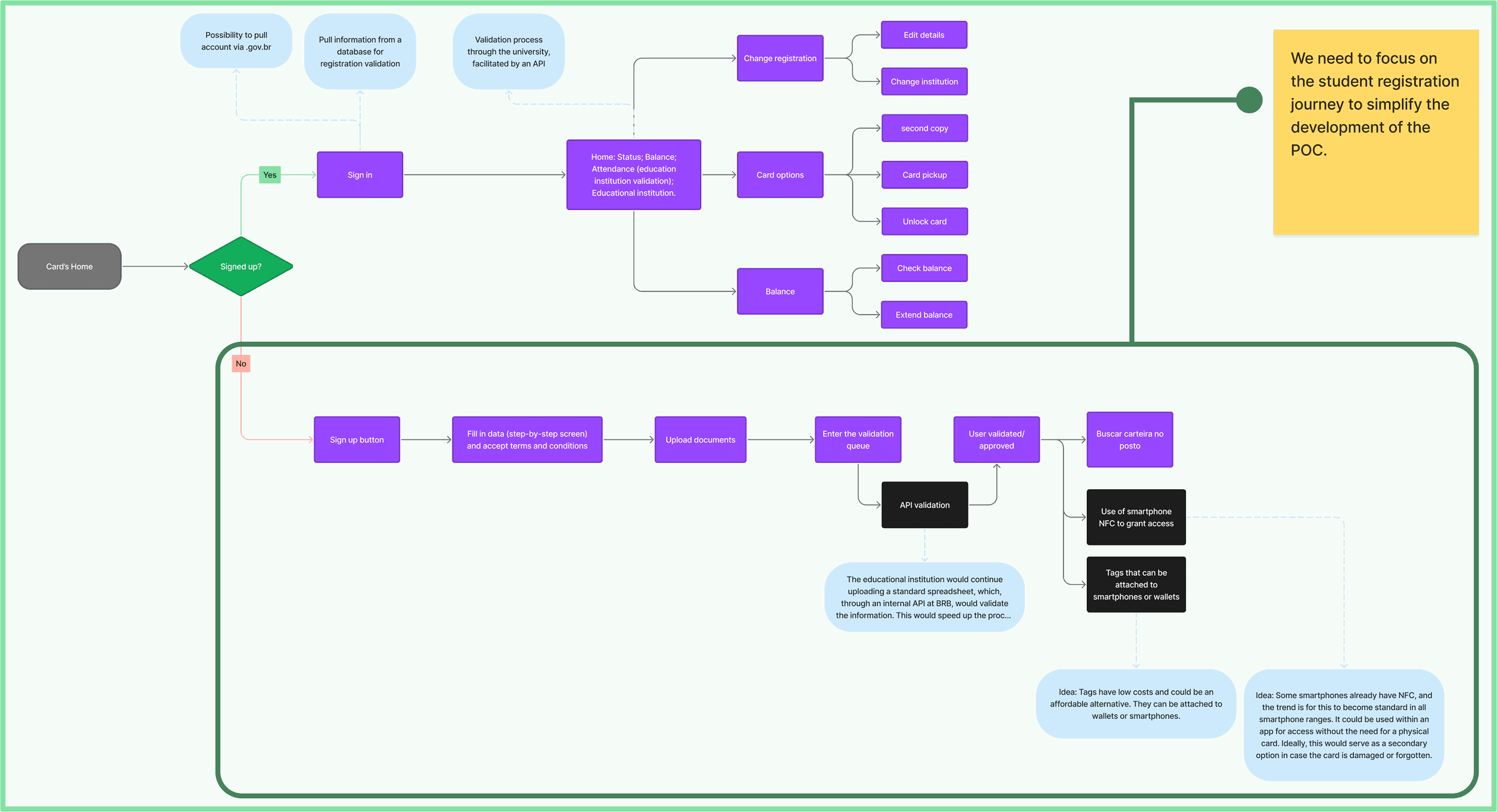
User Journey Documentation
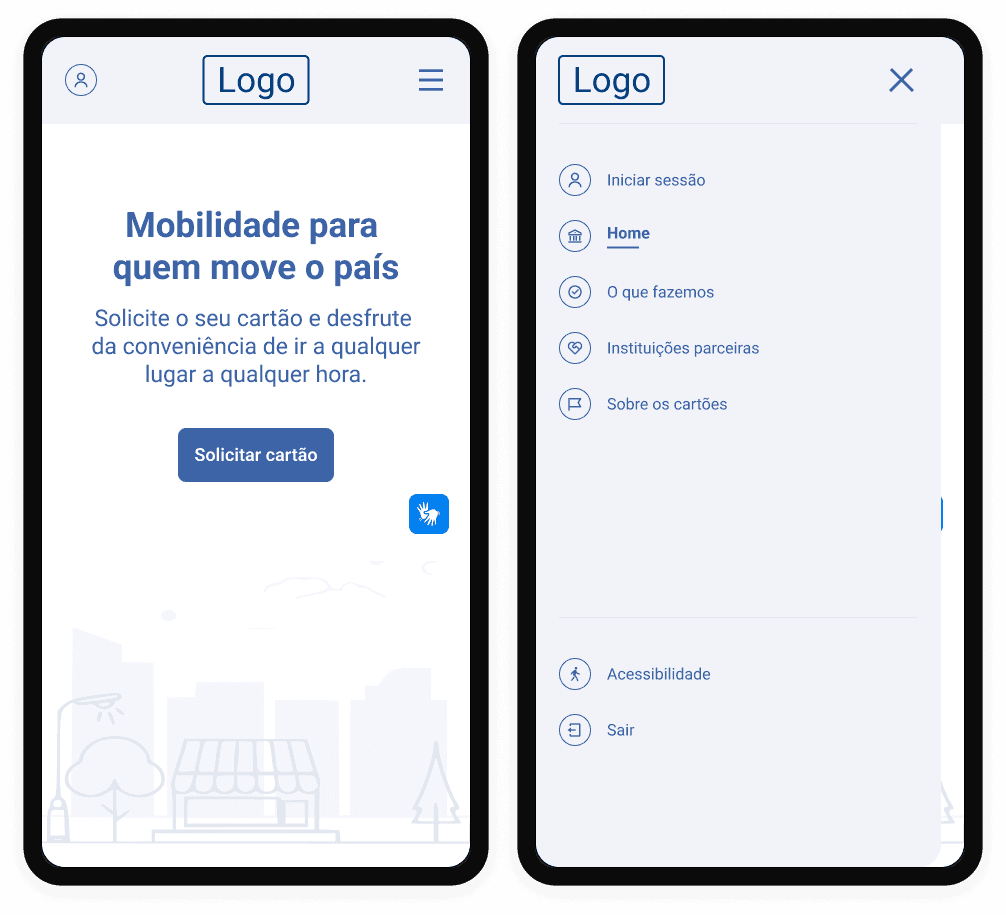
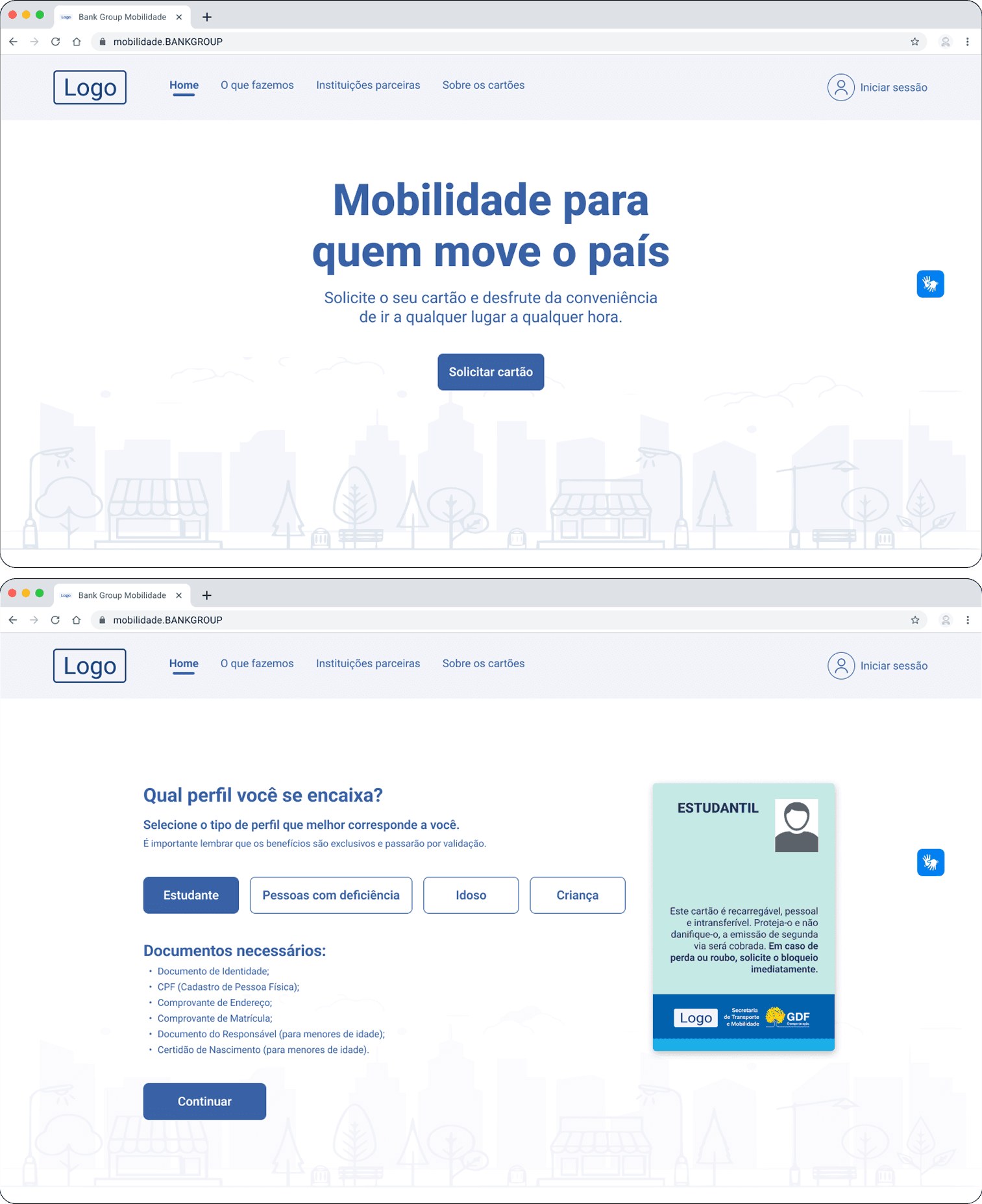
Responsive Interface Solutions
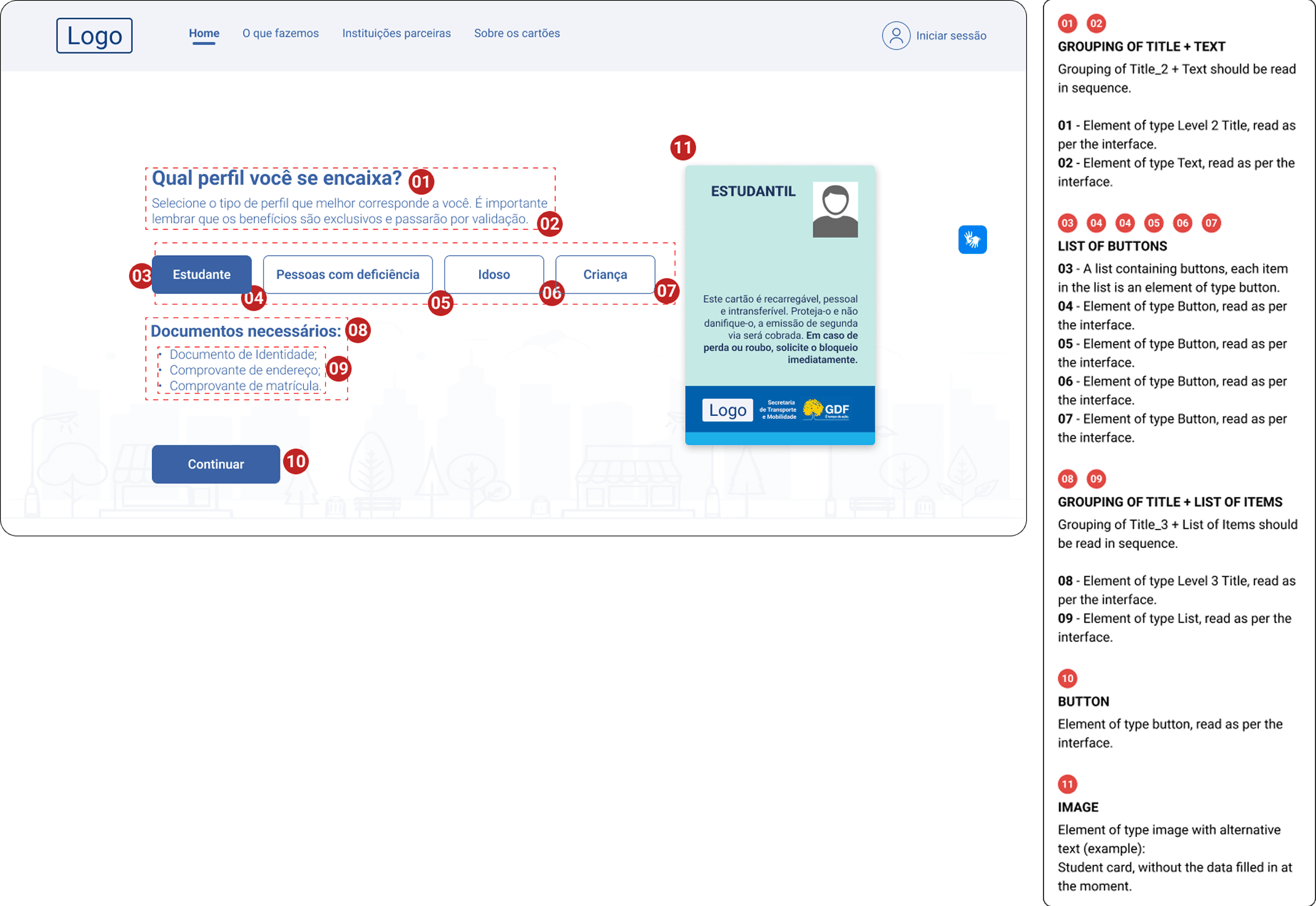
Accessibility Implementation Framework
Modal Interaction Standards Focus management maintains user orientation within modal contexts. Upon closing, focus returns to triggering element, preserving user location in the journey. Close buttons use descriptive text rather than ambiguous icons, supporting screen reader comprehension.
Form Validation and Navigation Complete keyboard navigation capability ensures users can complete registration without pointer devices. Logical focus order guides users through complex forms systematically. All feedback mechanisms support screen reader compatibility for inclusive user communication.
Universal Design Considerations Alternative interaction methods accommodate various motor abilities. Eliminated timed interactions that create pressure or exclude users with processing differences. Implemented skip links enabling efficient navigation to main content, menu, and footer sections.
Strategic improvements implemented: Help function repositioned at the top for immediate access. Interaction icon enlarged for improved visibility. Alexa button description highlighted for clarity. Enhanced keyboard accessibility for communication. Improved identification of device adaptation function for automation. Optimized music player integration. Added shortcuts for frequent users of the application.
Redesigned Devices Screen
Project Outcomes and Organizational Impact
Delivered Solutions The redesigned system addressed fundamental barriers preventing target populations from accessing free transportation services. Accessibility improvements specifically supported users with disabilities while benefiting all user groups through clearer navigation and reduced cognitive load.
Stakeholder Reception The project received strong organizational praise for delivering comprehensive solutions despite limited initial direction. The accessibility framework was particularly valued, demonstrating potential to meaningfully improve service access for vulnerable populations.
POC Limitations and Future Implementation As a proof of concept without development team integration, the project highlighted typical corporate innovation challenges. While solutions demonstrated clear potential for improving user experience and social service access, implementation timeline and resource requirements exceeded initial stakeholder expectations.
Strategic Value Validation Despite implementation constraints, the POC successfully validated the concept's effectiveness in addressing core usability issues. The work established a foundation for future development phases and demonstrated the organization's capacity to deliver inclusive design solutions for government partnership initiatives.